Majlis Park Place
Instructor: Inaki Alday / University of Virginia / 2018
New Delhi, India
Overview
Intermodal Waste Management Case Study. As the Yamuna River enters New Delhi from the North, its water is rapidly transformed from a natural green to a dark black as it merges with the Najafgarh Supplementary Drain. This project investigates the possible expansion of the city onto Majlis Park Station to establish an intermodal urban connector linking metro transit, bus networks, ecological corridors, and waste management infrastructure.
Majlis Park site — aerial view of the metro station and surrounding urban context.
Site documentation — existing conditions at Majlis Park station approach.
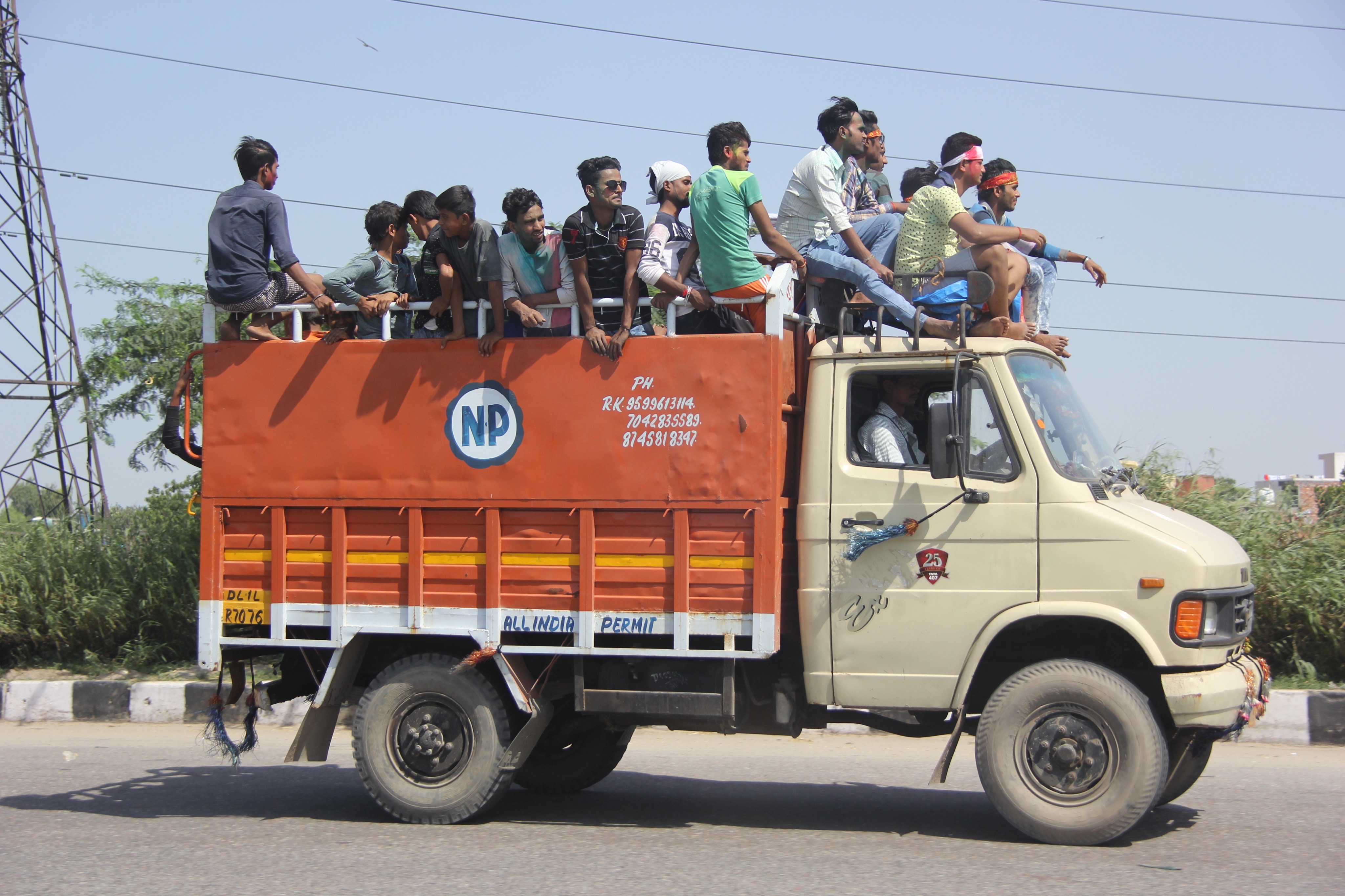
Site documentation — informal settlement patterns adjacent to rail infrastructure.
Site documentation — drainage canal and ecological buffer zone.
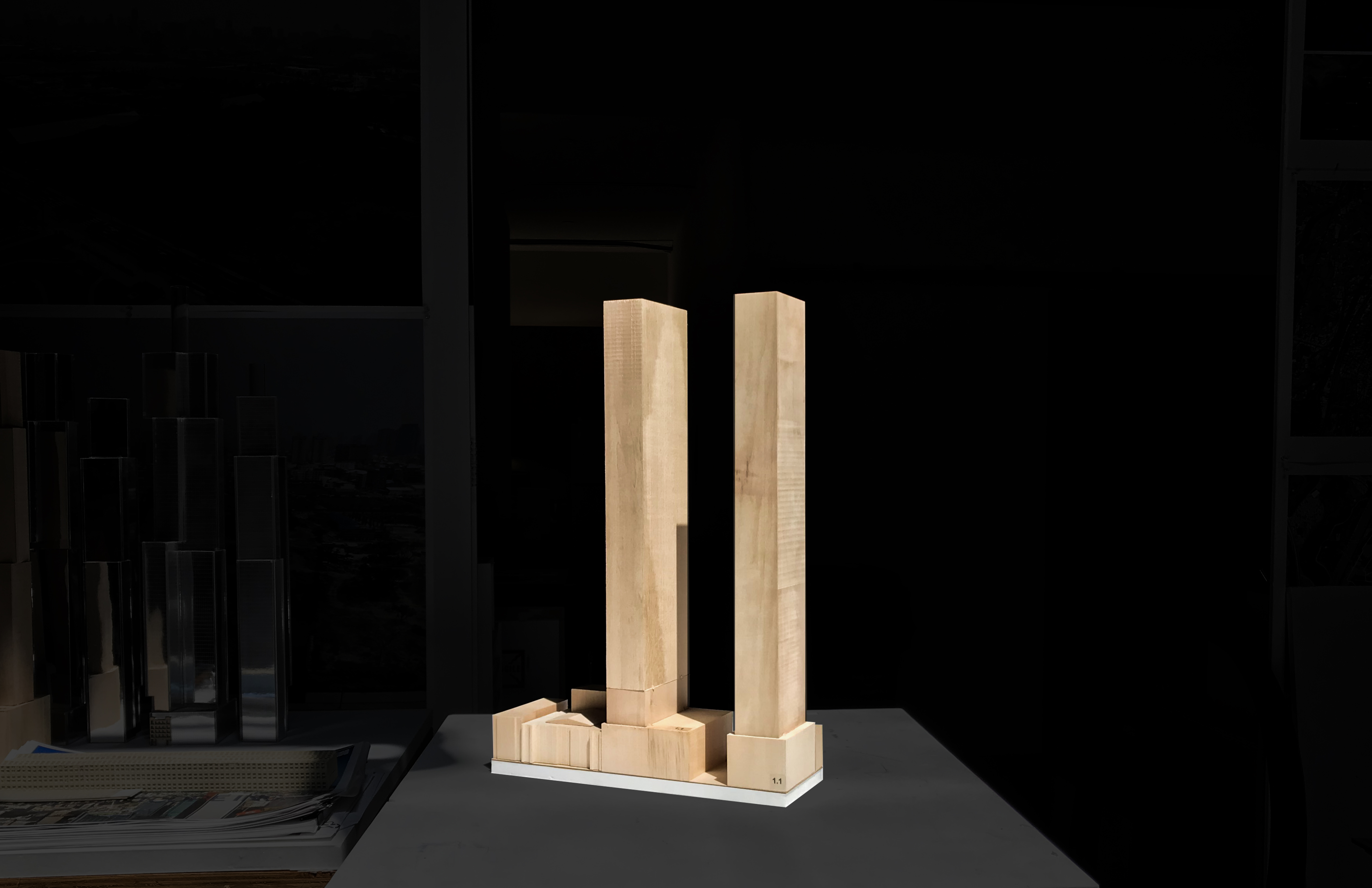
Analytical diagram — existing use plan and programmatic zones.
Diagrams
A series of analytical diagrams mapping existing site conditions — ecological disconnect, circulation patterns, ecological connections, accessibility networks, ecological anchors, and the proposed intermodal hub.
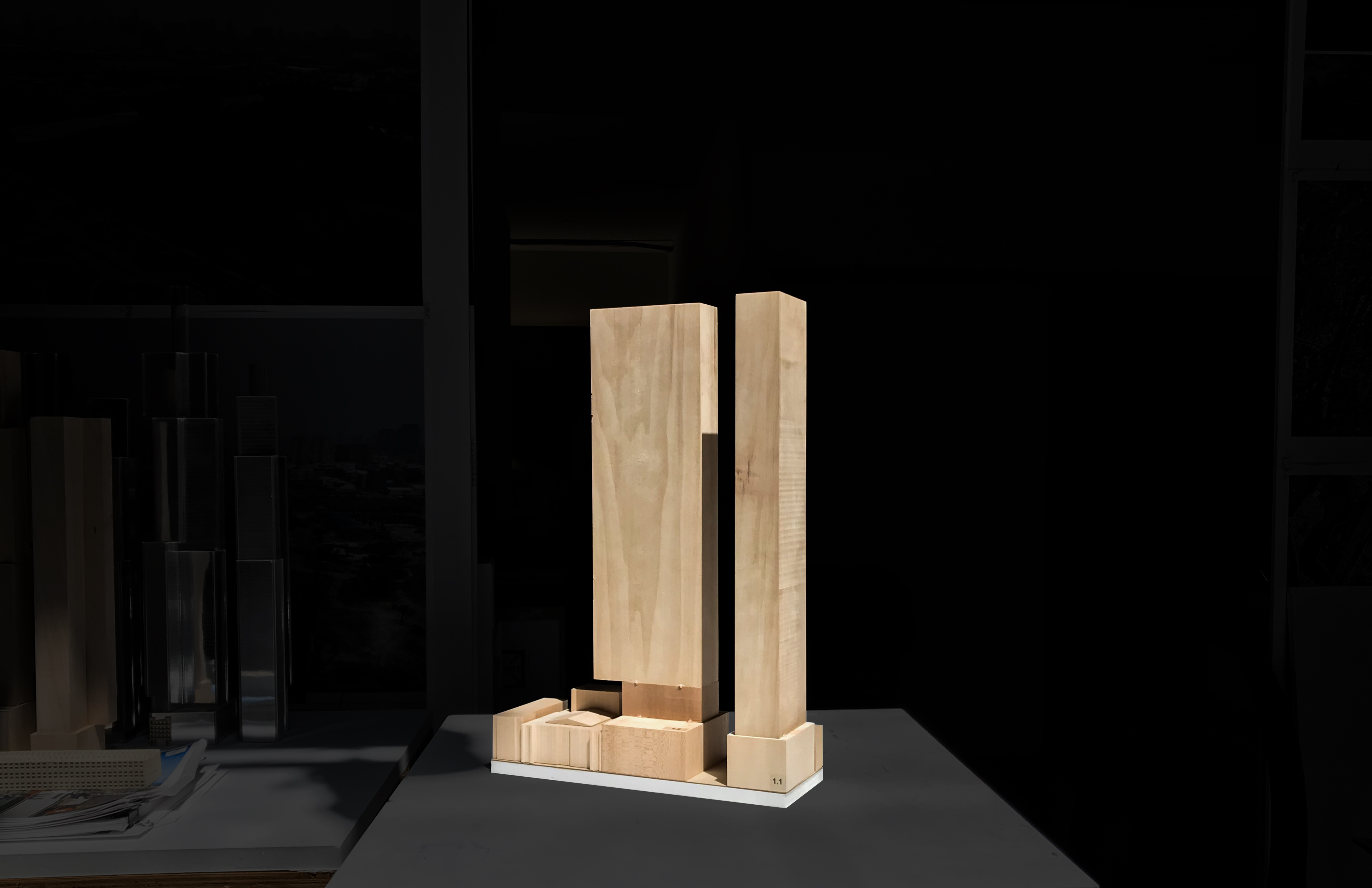
Diagram — ecological disconnect between urban fabric and river corridor.
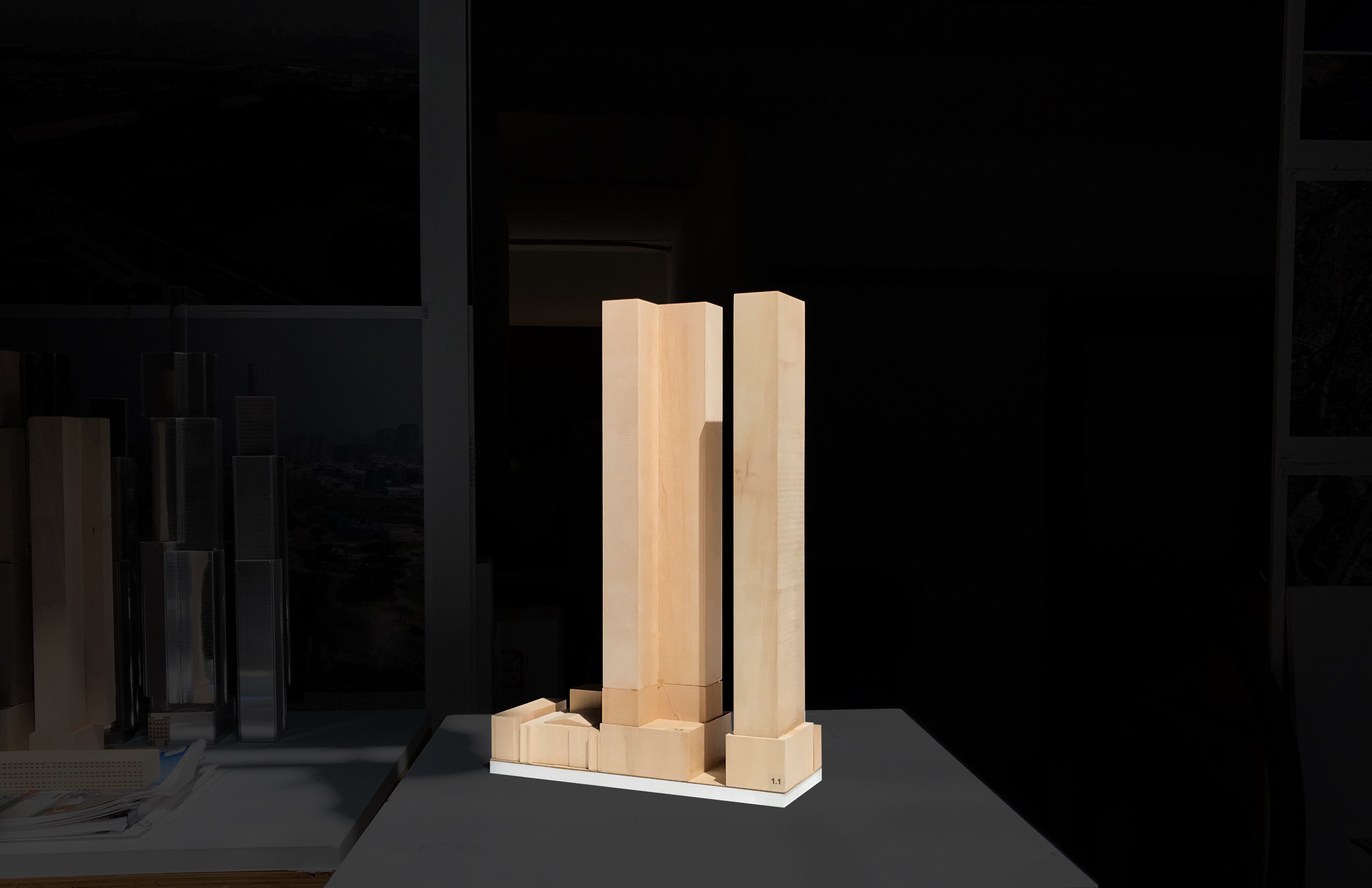
Diagram — circulation analysis showing pedestrian and vehicular networks.
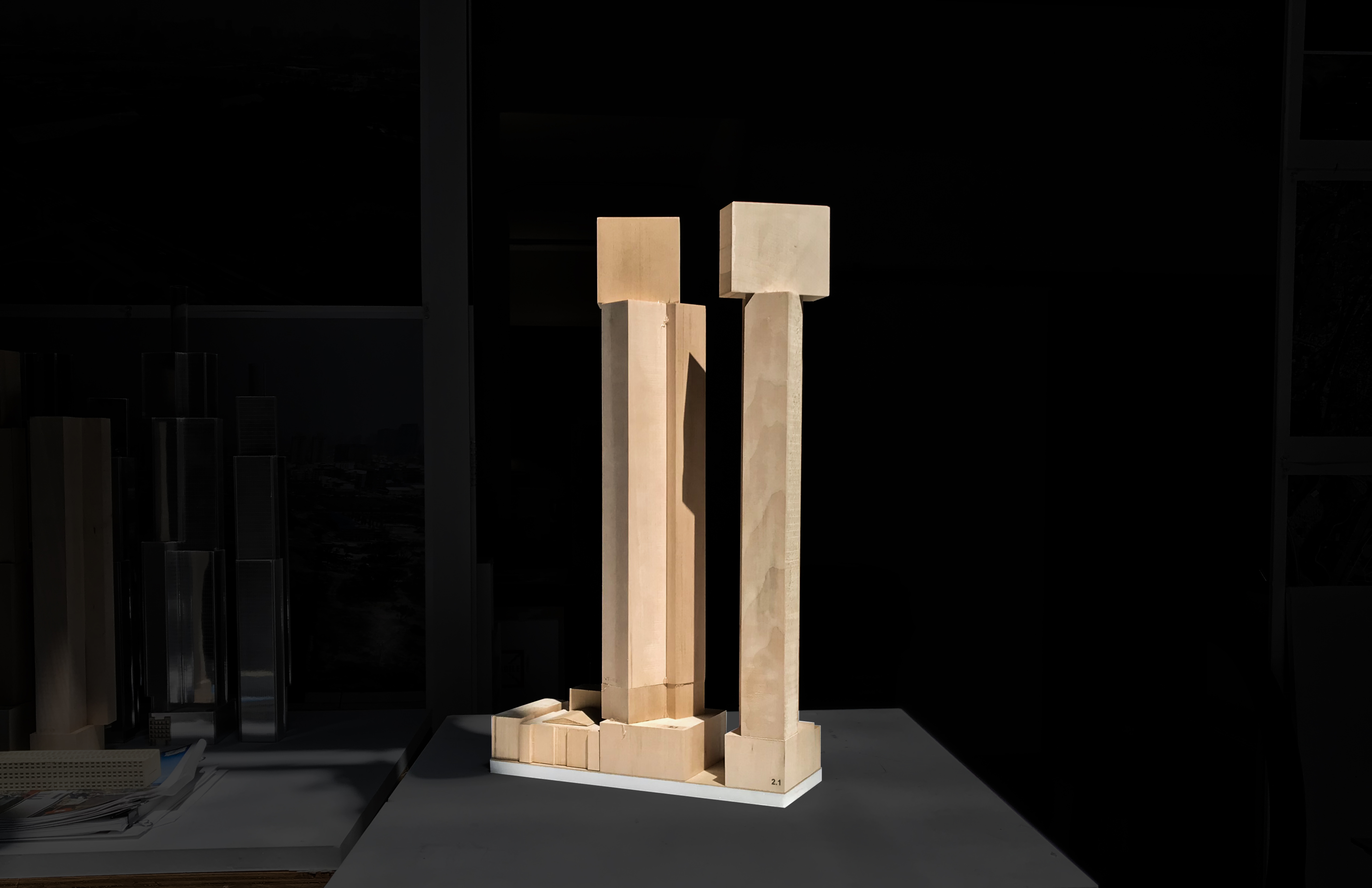
Diagram — ecological connection strategy linking green corridors.
Diagram — accessibility network radiating from metro station.
Diagram — ecological anchors and proposed intervention sites.
Diagram — intermodal hub concept integrating transit and waste networks.
Master Plan
The comprehensive master plan proposes a new urban framework that bridges the gap between the existing metro station and the Yamuna riverfront, creating a series of programmatic layers that address waste processing, ecological restoration, and public space.
Master plan — comprehensive site strategy.
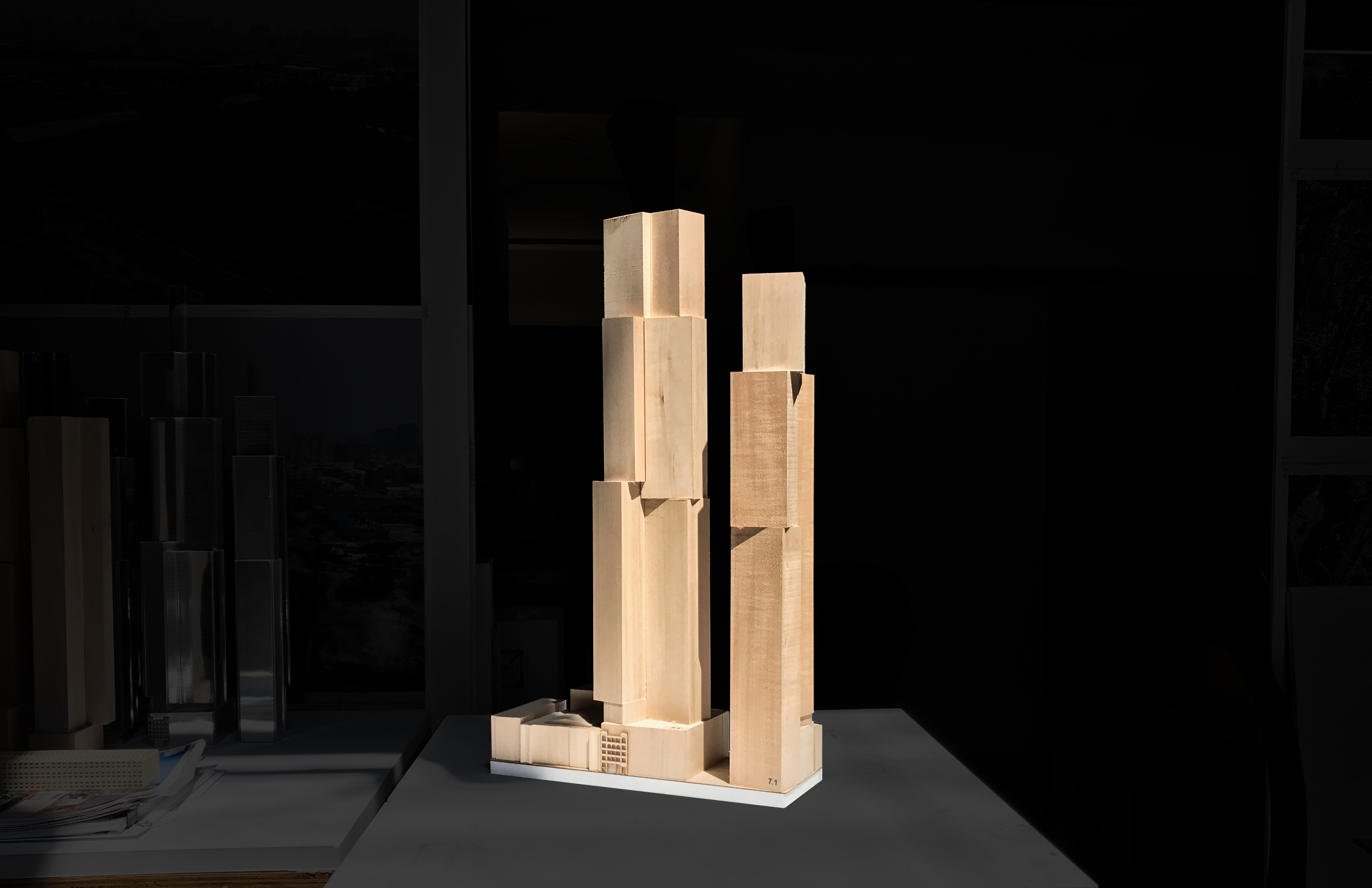
Master plan detail — programmatic layering and section.
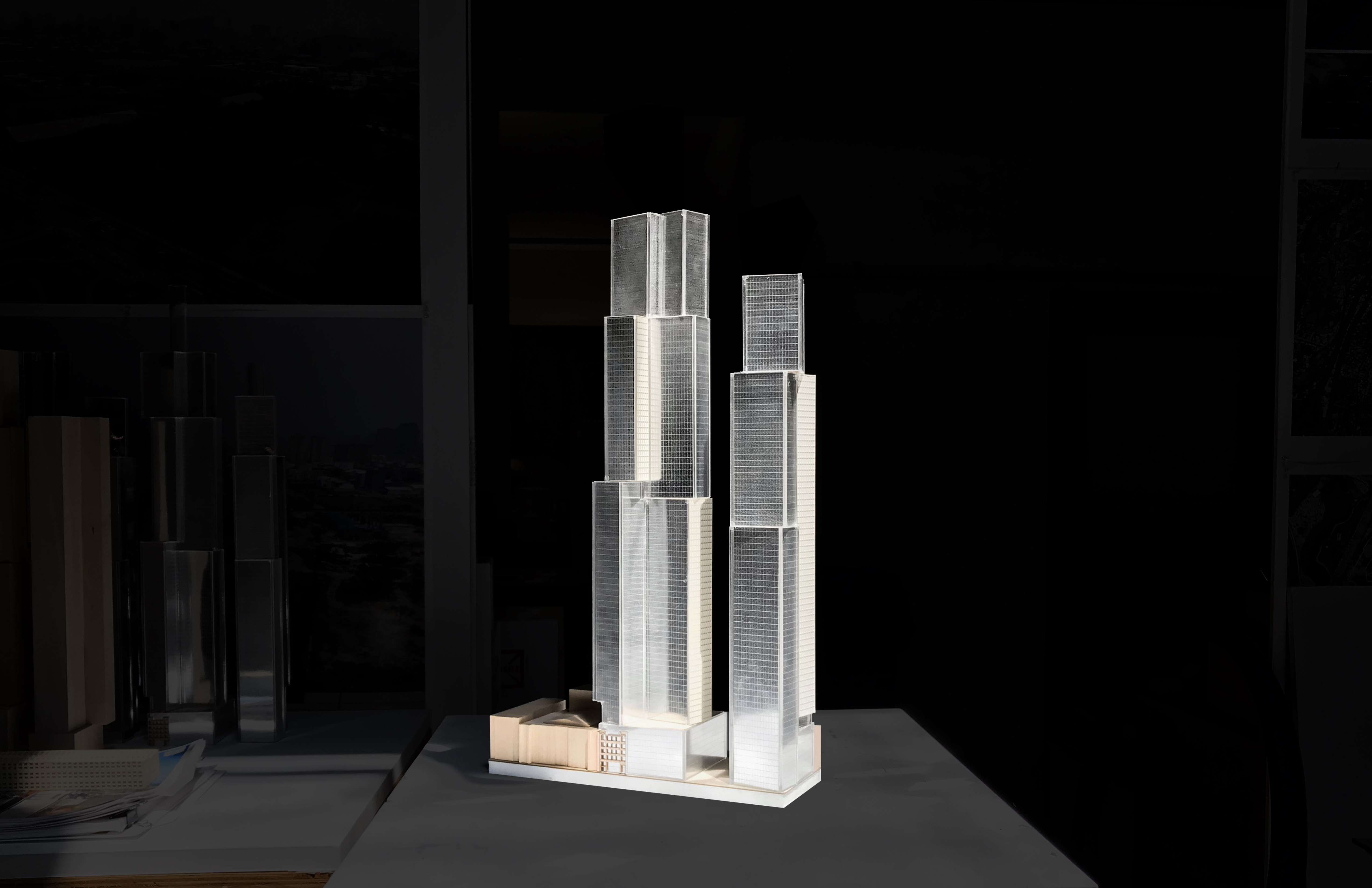
Final master plan — resolved design with landscape, infrastructure, and building footprints.